Water Damage Restoration Marietta GA
(888) 450-0858
24/7 Emergency Service
24/7 Emergency Service
When water damage strikes your Marietta property, our IICRC-certified technicians arrive within 60 minutes with truck-mounted extraction units, LGR dehumidifiers, and thermal imaging equipment. Every restoration follows ANSI/IICRC S500 standards from initial extraction through final moisture verification, protecting your property and supporting your insurance claim.
24/7 Emergency Response Across All Cobb County
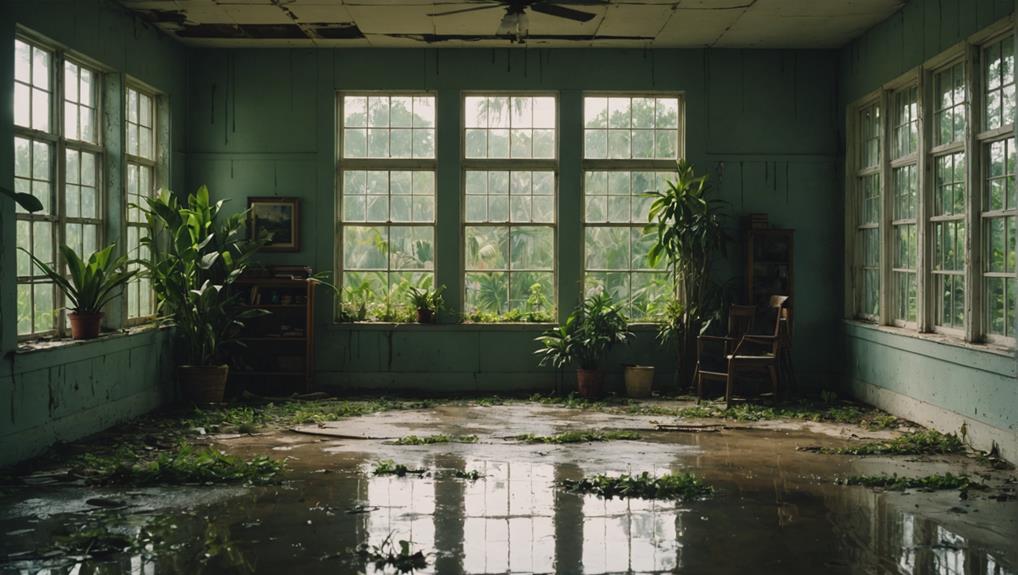
Every water damage restoration project in Marietta requires technicians who hold current IICRC credentials and apply ANSI/IICRC S500 protocols from the moment they arrive on site. These standards govern water damage classification, extraction procedures, structural drying calculations, and moisture verification thresholds that determine when a property has returned to pre-loss condition. Our team maintains three critical certifications that qualify them to handle any water damage scenario in Cobb County residential and commercial properties.
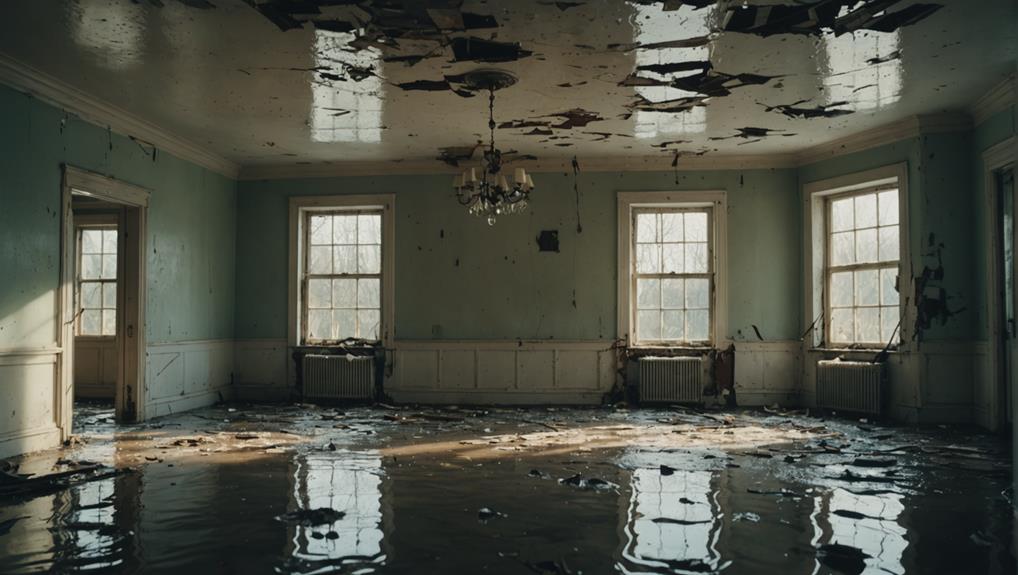
The IICRC Water Restoration Technician (WRT) credential requires demonstrated competency in water damage principles, health and safety protocols, psychrometric calculations, and equipment operation. Our technicians pass rigorous examinations covering all three IICRC water damage categories and four damage classes, ensuring they correctly classify every loss and apply the appropriate restoration protocol from day one.
WRT certification also requires ongoing continuing education to maintain active status. This ensures our Marietta restoration crews stay current with evolving industry standards, new equipment technologies, and updated safety requirements that protect both occupants and technicians during active restoration projects.
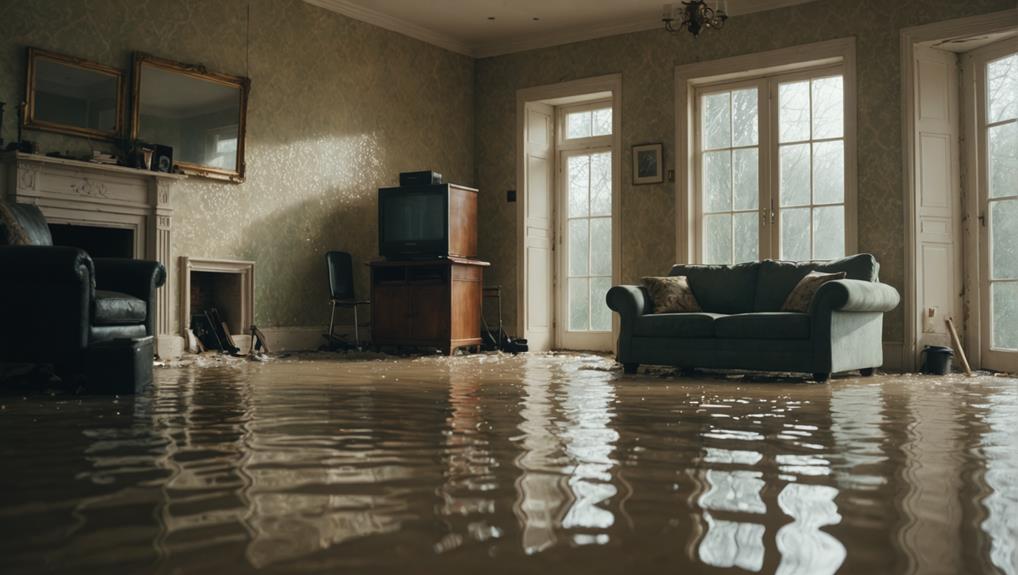
The ANSI/IICRC S500 Standard provides the procedural framework for every phase of water damage restoration, from initial damage assessment and water classification through structural drying, antimicrobial application, and final reconstruction. This standard requires daily moisture monitoring using calibrated meters, documented equipment placement, and specific drying goals based on material type and ambient conditions.
Our adherence to S500 means your insurance carrier receives documentation that meets industry-accepted protocols. Adjusters recognize S500-compliant restoration as the benchmark for reasonable and necessary restoration costs, strengthening your claim and reducing disputes over scope of work.
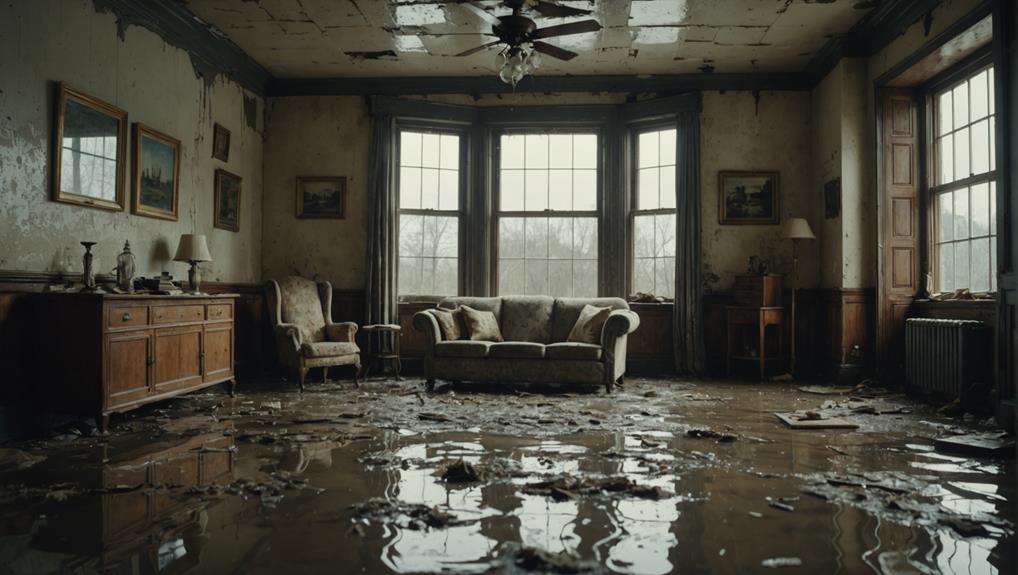
Marietta's historic neighborhoods around Marietta Square and established areas of East Cobb contain thousands of homes built before the 1978 lead paint ban. When water damage restoration requires disturbing painted surfaces in these properties, EPA Lead-Safe certification becomes a federal requirement under the Renovation, Repair, and Painting (RRP) Rule.
Our EPA-certified crews follow lead-safe work practices including containment setup, HEPA-filtered dust control, and proper disposal of lead-contaminated debris. This certification protects Marietta families from lead exposure during restoration and shields property owners from EPA fines exceeding $37,500 per violation when hiring non-certified contractors.
Learn more about our complete range of emergency water damage restoration services in Marietta GA, including extraction, drying, mold prevention, and reconstruction.
The IICRC S500 restoration process follows four sequential phases, each building on the previous to systematically return your property to its pre-damage state. Skipping or rushing any phase risks secondary damage that compounds costs and extends timelines.
Truck-mounted extraction units remove hundreds of gallons per hour while portable extractors reach tight spaces under cabinets and inside closets. Weighted extraction tools pull water from carpet pad and subfloor assemblies that standard shop vacuums cannot reach. This phase begins within 60 minutes of your call and continues until all recoverable water has been removed from the property.
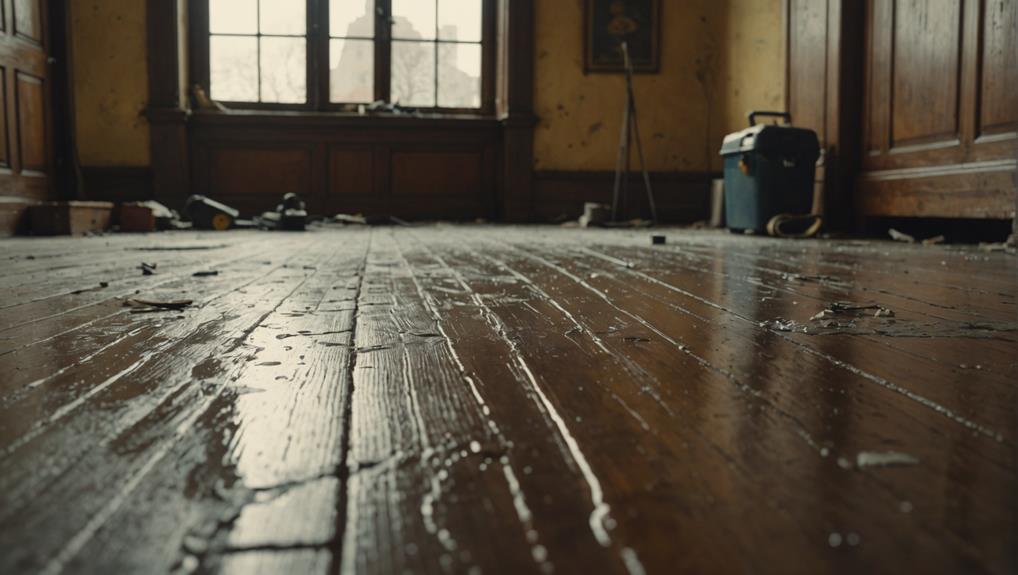
EPA-registered antimicrobial solutions neutralize bacteria and inhibit mold growth on all affected surfaces. Category 2 and Category 3 water events require thorough sanitization of structural materials, contents, and HVAC components before drying can begin. Electrostatic sprayers ensure complete coverage in wall cavities and concealed spaces.
LGR dehumidifiers and high-velocity air movers create controlled drying conditions calibrated to material type, ambient temperature, and humidity. Daily moisture readings track progress toward pre-loss conditions, with equipment adjustments every 24 hours to optimize drying efficiency. This phase typically runs 3 to 5 days for standard residential losses.
After verified dry-out, reconstruction replaces damaged drywall, flooring, trim, and paint to match existing finishes. We incorporate moisture-resistant materials and improved ventilation where appropriate to reduce future vulnerability. All reconstruction work is documented for your insurance carrier with before-and-after photography.
Read our detailed guide to every step of the water damage restoration process, including timelines, equipment specifications, and what to expect each day.
Restoration costs in Marietta depend primarily on IICRC water damage category, affected square footage, and whether structural materials require removal and replacement. Category 1 clean water events from burst supply lines or appliance malfunctions typically cost $2,000 to $4,000 for extraction, drying, and minor reconstruction. Category 2 events involving gray water contamination range from $3,500 to $6,000 due to additional antimicrobial treatment and content cleaning requirements.
Category 3 losses involving sewage, flood water, or long-standing contamination represent the most expensive restoration scenarios at $5,000 to $8,000 or more, requiring full antimicrobial treatment, removal of affected porous materials, content pack-out, and extensive reconstruction. Insurance covers most sudden water damage events, and our Xactimate-based documentation supports your claim from first notice through final settlement.
View our complete water damage restoration cost guide for Marietta GA with pricing breakdowns by category, room type, and specific damage scenarios.
Marietta's geography creates unique water damage vulnerability that most other metro Atlanta communities do not share. The combination of Georgia red clay soil with extremely low permeability, multiple creek watersheds crossing residential areas, and aging infrastructure in established neighborhoods produces conditions where heavy rainfall events quickly overwhelm drainage systems and push water against foundations.
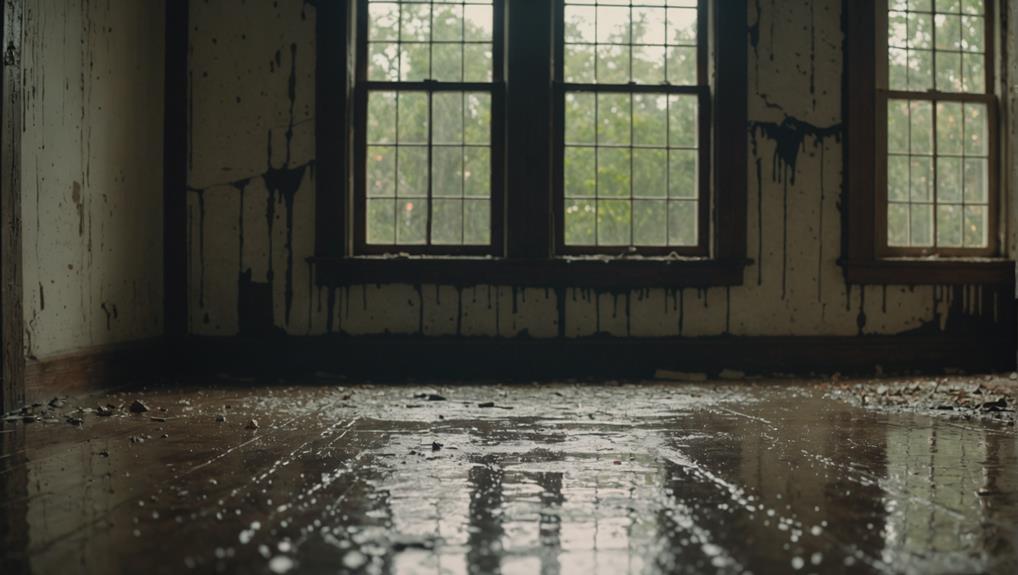
Properties near Rottenwood Creek, Sope Creek, and Noonday Creek face elevated flood risk during the heavy storm events that Marietta experiences from March through September. Red clay soil prevents rainfall absorption, accelerating runoff into these waterways and increasing flood stage rapidly. Homes in East Cobb along the Chattahoochee corridor and properties near the Smyrna border along Rottenwood Creek experience the highest flood frequency.
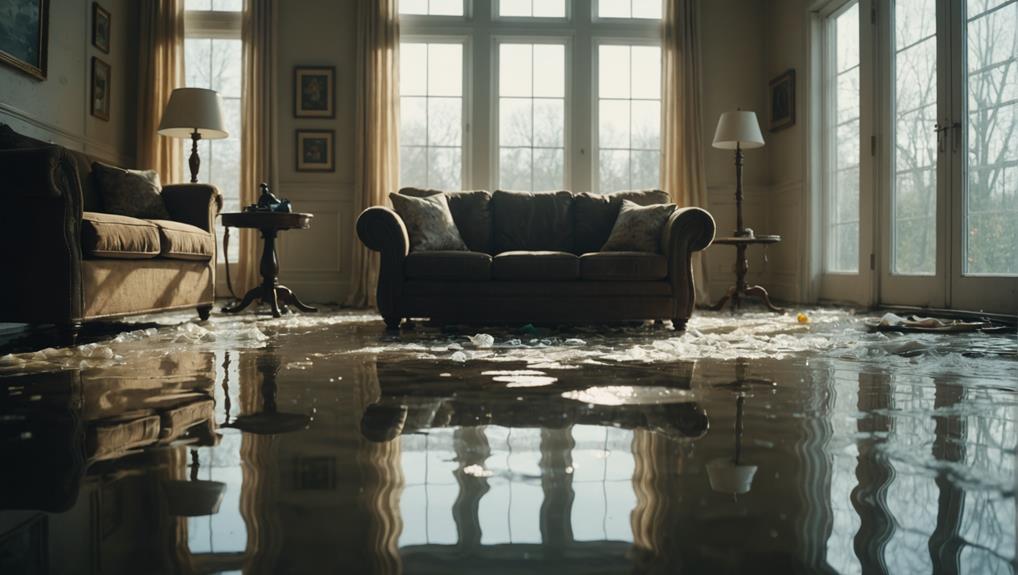
Established neighborhoods around Marietta Square, along Roswell Road, and throughout West Cobb contain homes with original plumbing systems 30 to 50 years old. Galvanized steel pipes corrode internally, polybutylene supply lines become brittle, and aging water heaters develop tank failures without warning. Properties along Powers Ferry Road, Johnson Ferry Road, and in the Kennesaw Mountain area frequently call for burst pipe restoration during winter freezing events.
Our restoration crews serve all Marietta zip codes including 30060, 30061, 30062, 30063, 30064, 30066, 30067, and 30068. Strategic equipment staging allows 60-minute response to properties from the Marietta Square historic district through East Cobb subdivisions, West Cobb communities, and neighborhoods along the Smyrna border. Every response includes truck-mounted extraction, portable drying equipment, and thermal imaging for immediate damage assessment.
Explore our complete Marietta GA service area guide covering neighborhood-specific risks, local building codes, and regional water damage patterns.
The difference between professional water damage restoration and DIY cleanup comes down to equipment capacity and moisture verification. Consumer-grade wet/dry vacuums extract surface water but cannot reach moisture trapped in carpet padding, subfloor assemblies, or wall cavity insulation. Without calibrated moisture meters and thermal imaging cameras, there is no way to verify that all moisture has been removed before closing up walls and replacing flooring.
Truck-mounted extraction units generate vacuum pressure that consumer wet/dry vacuums cannot approach, pulling water from deep within carpet pad, hardwood subfloor assemblies, and concrete slab surfaces. Weighted extraction tools apply pressure to flooring while extracting, recovering water from materials that would otherwise require days of additional drying time. This extraction capacity reduces overall drying time by 24 to 48 hours compared to DIY attempts.
Low-grain refrigerant dehumidifiers used in professional restoration remove 30 to 40 gallons of moisture per day from indoor environments, compared to 2 to 5 gallons for consumer dehumidifiers. Professional equipment also operates efficiently at lower temperature ranges common in air-conditioned Marietta homes during summer. Strategic placement based on psychrometric calculations ensures moisture migrates from structural materials into the air stream where dehumidifiers can capture it.
FLIR thermal imaging cameras detect temperature differentials caused by evaporative cooling on wet surfaces, revealing moisture hidden behind drywall, under tile floors, and inside ceiling assemblies that visual inspection cannot identify. Without thermal imaging, hidden moisture pockets remain undiscovered and become mold colonization sites within 48 to 72 hours. Every initial inspection includes full thermal scanning of all affected and adjacent areas.
Read our detailed comparison of DIY cleanup versus professional water damage restoration to understand when professional intervention is necessary.
Proactive maintenance and seasonal inspections prevent the majority of residential water damage events in Marietta. The following seasonal checklist addresses the specific risks that Cobb County properties face throughout the year, from winter pipe freezes to summer storm flooding and fall gutter failures.
Marietta averages 3 to 5 nights below freezing each winter, enough to freeze exposed pipes in crawl spaces, garages, and exterior walls. Insulate all accessible pipes with foam sleeves, maintain thermostat at 55 degrees or higher when away, and open cabinet doors under sinks on exterior walls during freeze warnings.
Marietta receives approximately 52 inches of rainfall annually, with the heaviest events concentrated between March and September. Red clay soil saturation during prolonged rain creates hydrostatic pressure against foundations that forces water through any crack or gap.
Fall maintenance focuses on preparing your Marietta property for winter moisture challenges and identifying deterioration from summer storm exposure. Scheduling a professional plumbing inspection before December catches small leaks and corrosion before they become emergency calls.
Water damage restoration in Marietta typically costs between $2,000 and $8,000 per emergency, depending on the IICRC water damage category, affected square footage, and structural materials involved. Category 1 clean water events from burst supply lines average $2,000 to $4,000, while Category 3 sewage or flood events requiring antimicrobial treatment and content removal range from $5,000 to $8,000. Our technicians document all damage per insurance carrier requirements to support your claim through final settlement.
You should call within the first 60 minutes of discovering water intrusion for the best possible outcome. IICRC S500 standards document that mold colonization begins within 24 to 48 hours in organic materials exposed to sustained moisture. Every hour of delay allows water to migrate laterally through drywall, subfloor assemblies, and insulation, expanding the affected area and increasing restoration costs. Our 60-minute response time ensures extraction begins before secondary damage compounds.
Most homeowner insurance policies cover sudden and accidental water damage from burst pipes, appliance failures, and storm-driven roof leaks. Policies typically exclude gradual damage from deferred maintenance, ground-surface flooding without a separate flood policy, and sewer backup unless specifically endorsed. Our restoration team generates Xactimate-based scope documentation that matches the platform most insurance adjusters use, streamlining the claims process from first notice of loss through final payment.
The ANSI/IICRC S500 standard classifies water damage into three categories based on contamination level. Category 1 originates from sanitary sources like broken supply lines and poses no substantial health risk. Category 2 contains significant contamination from dishwasher discharge, washing machine overflow, or similar sources. Category 3 involves grossly contaminated water from sewage backups, exterior flooding, or standing water that has supported microbial growth, requiring removal of affected porous materials and full antimicrobial treatment.
Most residential water damage restoration projects in Marietta complete within 3 to 7 days, though timelines vary based on damage category, affected area, and structural materials involved. Extraction and initial setup require 4 to 8 hours on day one, structural drying runs 3 to 5 days with daily monitoring and equipment adjustment, and final reconstruction adds 2 to 5 days depending on scope. Read our restoration process guide for detailed phase-by-phase timelines.
IICRC-certified technicians deploy truck-mounted extraction units capable of removing hundreds of gallons per hour, LGR dehumidifiers that pull 30+ gallons of moisture per day, and high-velocity air movers creating controlled airflow across wet surfaces. Detection equipment includes pin-type and pinless moisture meters, FLIR thermal imaging cameras for hidden water identification, and thermo-hygrometers for atmospheric monitoring. See our DIY vs professional comparison for detailed equipment analysis.
Occupancy during restoration depends on water damage category and affected area extent. Category 1 damage limited to one or two rooms typically allows continued residence, though equipment noise from air movers and dehumidifiers running 24/7 can disrupt sleep patterns. Category 3 contamination, extensive structural damage involving load-bearing components, or active electrical hazards require temporary relocation. Our technicians assess habitability during the initial inspection and provide written recommendations for your records.
Insurance carriers require photographic evidence of all damage before any cleanup begins, a detailed inventory of damaged contents with approximate replacement values, and professional moisture readings documenting intrusion extent. Our team generates itemized scope-of-work documentation using Xactimate estimating software, daily drying logs with calibrated moisture meter readings, equipment placement records, and a final dry-out verification report. This comprehensive documentation package supports your claim from first notice through settlement.
Georgia red clay soil has extremely low permeability, meaning rainfall accumulates on the surface and against foundation walls rather than absorbing into the ground. During heavy storms common in Marietta from March through September, this creates hydrostatic pressure that forces water through foundation cracks, mortar joints, and basement floor seams. Properties near Rottenwood Creek, Sope Creek, and Noonday Creek face compounded risk because clay runoff increases flood stage rapidly in these Marietta-area watersheds.
Restoration encompasses the complete IICRC S500 process of returning a water-damaged property to pre-loss condition, including extraction, structural drying, antimicrobial treatment, moisture verification, and reconstruction. Repair addresses only visible damage such as replacing drywall or flooring without the systematic drying and verification protocols that prevent hidden moisture from causing mold growth or structural deterioration. Skipping professional restoration after significant water intrusion frequently leads to secondary damage costing substantially more to remediate later.
Every hour of standing water increases structural damage, mold risk, and restoration costs. Our IICRC-certified technicians respond within 60 minutes to any Marietta zip code with truck-mounted extraction, industrial drying equipment, and thermal imaging for complete damage assessment. Call now for immediate dispatch.
Call Now: (888) 450-085824/7 Emergency Response • IICRC Certified • All Cobb County Zip Codes