 Water Damage Restoration Marietta GA
(888) 450-0858
24/7 Emergency Service
Water Damage Restoration Marietta GA
24/7 Emergency Service
Water damage restoration in Marietta GA demands immediate response from IICRC-certified technicians equipped with industrial-grade extraction and drying systems. As the county seat of Cobb County, Marietta's mix of historic properties near the Square and newer subdivisions in East Cobb creates diverse restoration challenges — from aging galvanized plumbing in pre-1960 homes to modern construction with complex HVAC condensate systems. Our team responds within 60 minutes following ANSI/IICRC S500 protocols.
60-Minute Emergency Response
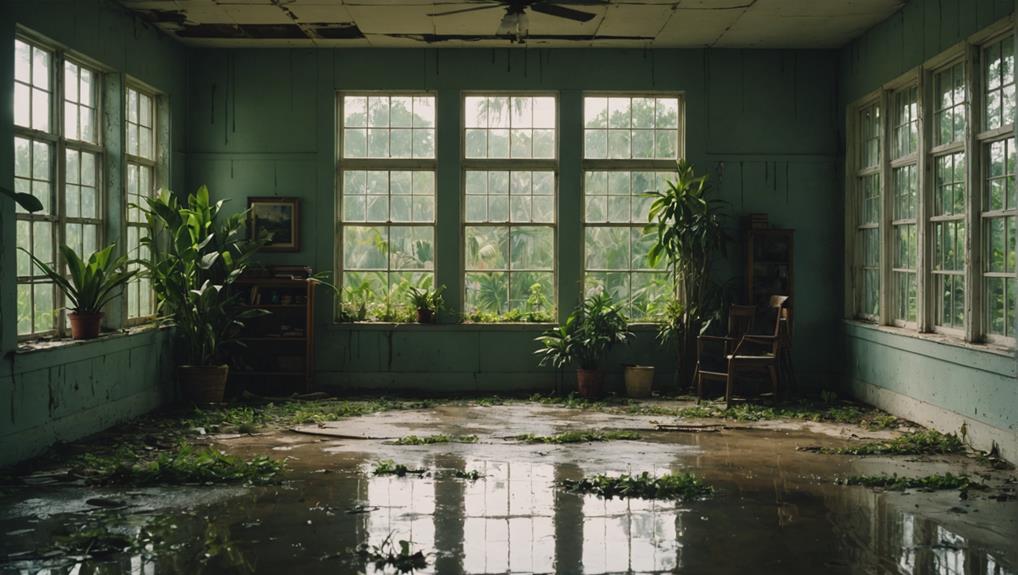
Water extraction represents the most time-critical phase of any water damage restoration project in Marietta GA. Every hour that standing water remains in contact with building materials increases the scope of damage exponentially. Hardwood flooring begins to warp within 2-4 hours. Drywall wicks moisture upward at approximately one inch per hour. Carpet padding becomes permanently saturated and must be discarded after 48 hours of water exposure regardless of contamination category.
Our extraction crews deploy truck-mounted pumping systems capable of removing up to 250 gallons per minute from heavily flooded Marietta properties. For upper floors, confined spaces, and areas inaccessible to truck lines, we utilize portable submersible pumps and weighted extraction tools that pull water from carpet, pad, and hard surfaces simultaneously. The extraction phase typically requires 2-6 hours depending on the volume of standing water and the number of affected rooms.
Following bulk water removal, technicians perform detailed extraction passes using specialty tools designed for specific materials. Stair tools, corner tools, and baseboard extraction wands remove trapped water from areas where standard equipment cannot reach. This thoroughness during the extraction phase directly reduces drying time and prevents secondary damage in Marietta homes built with varying construction methods.
Category 1 water damage originates from sanitary sources including broken cold water supply lines, ice maker feeds, toilet tank overflows (not involving waste), and condensate drain overflows. The ANSI/IICRC S500 standard classifies this as clean water that does not pose an immediate health threat when contact or consumption occurs. However, Category 1 water that contacts building materials for extended periods will transition to Category 2 within 48-72 hours as microbial growth initiates.
In Marietta properties, common Category 1 sources include supply line failures behind washing machines, refrigerator ice maker connections using quarter-inch copper or braided stainless lines, and toilet fill valve malfunctions. Our technicians extract Category 1 water using standard equipment without requiring antimicrobial treatment during initial extraction, though we apply preventive treatments to all affected materials once extraction completes. Porous materials including carpet pad, insulation, and particleboard can typically be restored if extraction begins within 24 hours of the loss event.
Category 2 gray water contains significant levels of chemical, biological, or physical contaminants that cause discomfort or illness when exposed to or consumed by humans. Common sources in Marietta homes include washing machine discharge, dishwasher overflow, toilet overflow containing urine but no feces, aquarium leaks, and water heater failures where tank sediment contaminates the flow. Sump pump failures that allow groundwater infiltration also classify as Category 2 due to soil-borne contaminant exposure.
Our gray water extraction protocol requires technicians to wear appropriate PPE including nitrile gloves, eye protection, and respiratory equipment rated for biological aerosols. We apply EPA-registered antimicrobial solutions to all contacted surfaces during and after extraction. Porous materials such as carpet pad, paper-faced insulation, and particleboard subflooring exposed to Category 2 water typically require removal and disposal rather than restoration, depending on contact duration and material condition.
Category 3 black water represents the most hazardous classification under ANSI/IICRC S500 standards. Sources include sewage backups through floor drains or toilet waste lines, river or creek flooding that enters Marietta properties during heavy storms, and any Category 1 or Category 2 water that has remained stagnant for 72 hours or longer. Black water contains pathogenic agents including bacteria, viruses, parasites, and other harmful microorganisms that pose serious health risks.
Our Category 3 protocol requires full PPE including Tyvek suits, respirators with P100 cartridges, chemical-resistant boots, and double-layer nitrile gloves. We establish containment barriers using 6-mil polyethylene sheeting and maintain negative air pressure within the affected area using HEPA-filtered air scrubbers. All porous materials contacted by Category 3 water — including drywall up to at least two feet above the visible water line, all carpet and pad, all insulation, and any particleboard or OSB subflooring — require removal and disposal. We apply EPA-approved biocides to all remaining structural surfaces including framing, concrete, and metal components before drying begins.
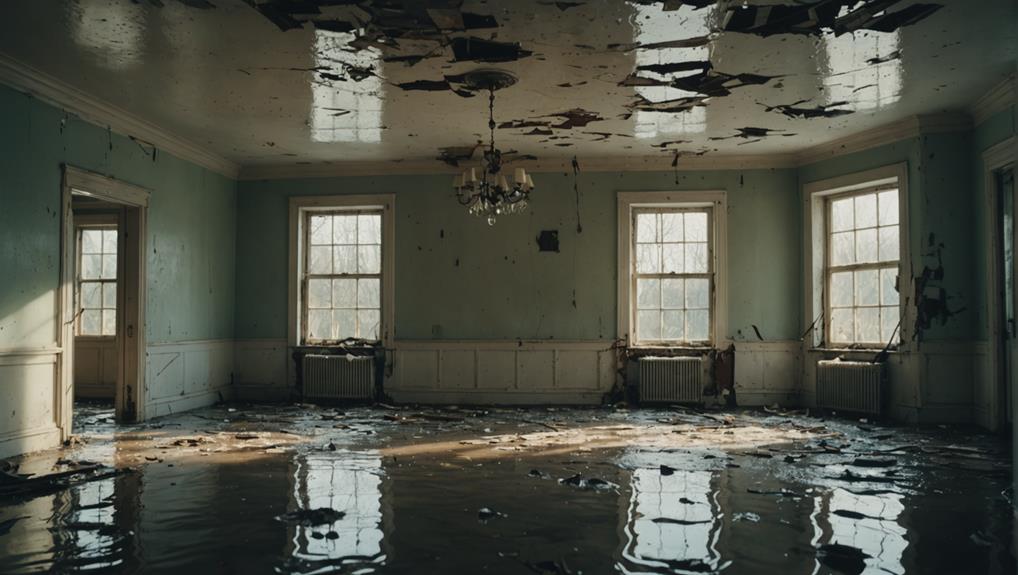
Structural drying transforms wet building materials back to their pre-loss moisture content through controlled dehumidification and targeted airflow. Our Marietta restoration teams deploy Dri-Eaz LGR 2800i low-grain refrigerant dehumidifiers — each unit removes up to 130 pints of moisture per day while operating efficiently in the temperature ranges typical of Georgia properties. Unlike conventional dehumidifiers, LGR technology achieves grain depression levels below 40 grains per pound, which is essential for drying structural materials within the 3-5 day window required to prevent mold colonization.
Complementing the dehumidifiers, we position Sahara Pro X3 air movers rated at 3,000 CFM to create velocity across wet surfaces. The principle is straightforward: moving air breaks the boundary layer of saturated air that forms on wet materials, allowing moisture to evaporate into the room air where dehumidifiers capture it. The ratio of air movers to dehumidifiers, their placement angles, and their distance from wet surfaces all factor into drying efficiency calculations that our IICRC-certified technicians perform on every Marietta project.
For wall cavities, we employ injectidry systems that force warm, dry air behind intact wall surfaces through small holes drilled at baseboard level. This technique allows us to dry wall cavities without removing drywall in many Category 1 situations, saving Marietta homeowners thousands of dollars in reconstruction costs. Hardwood floor drying utilizes floor mat systems that create vacuum-sealed chambers over the flooring surface, drawing moisture through the wood grain without causing further warping or cupping.
Psychrometric science governs every equipment placement decision our technicians make during the structural drying phase. Psychrometrics is the study of air-water vapor mixtures, and understanding these relationships determines how many dehumidifiers and air movers a specific Marietta property requires for efficient drying. The calculation accounts for room volume in cubic feet, ambient temperature, current relative humidity, target relative humidity, and the moisture load generated by wet materials.
For a typical 1,500-square-foot Marietta home with 8-foot ceilings affected by a Category 1 supply line break flooding three rooms, the psychrometric calculation yields approximately three LGR 2800i dehumidifiers and twelve Sahara Pro X3 air movers. Older Marietta homes near the Square with plaster walls and hardwood subfloors require modified calculations because plaster holds significantly more moisture per square foot than modern drywall and releases that moisture more slowly during the evaporation process. Our technicians recalculate equipment needs daily as conditions change and adjust placement accordingly to maintain optimal drying rates.
Daily moisture monitoring verifies that the structural drying process progresses according to the established drying plan. Our technicians use Tramex Moisture Encounter Plus meters — a non-destructive scanning device that reads moisture content through drywall, plaster, tile, and wood surfaces without requiring penetration. The meter uses radio frequency technology to detect moisture up to three-quarters of an inch below the surface, identifying wet areas that visual inspection alone would miss.
We establish a moisture mapping grid at the beginning of every Marietta restoration project, documenting baseline moisture readings at designated points throughout affected and adjacent rooms. Technicians return every 12-24 hours to record updated readings at each grid point, creating a documented drying curve that demonstrates progressive moisture reduction. The drying goal established by the ANSI/IICRC S500 standard requires affected materials to reach moisture equilibrium with similar dry materials in unaffected areas of the same structure. This verification ensures complete drying — not simply "dry to the touch" — before we clear the project for reconstruction.
FLIR E8 infrared thermal imaging cameras detect temperature differentials on building surfaces that indicate the presence of moisture invisible to the naked eye. Wet materials exhibit cooler surface temperatures than surrounding dry materials due to evaporative cooling — the same principle that makes your skin feel cold when wet. The FLIR E8 displays these temperature variations as a color-mapped image, allowing technicians to scan entire wall and floor surfaces rapidly and identify areas where moisture persists.
In Marietta homes, thermal imaging proves particularly valuable for detecting moisture trapped within wall cavities, beneath vinyl and tile flooring, above suspended ceilings, and within HVAC duct systems. Many Marietta properties built during the 1970s-1990s construction boom feature complex floor plans with interior chases, soffits, and enclosed mechanical spaces where water migrates undetected. Our technicians perform thermal scans at the beginning of every project to establish the full scope of water migration, then again during the drying process to verify that equipment placement addresses all affected areas. A final thermal scan confirms that no hidden moisture pockets remain before we authorize reconstruction to proceed.
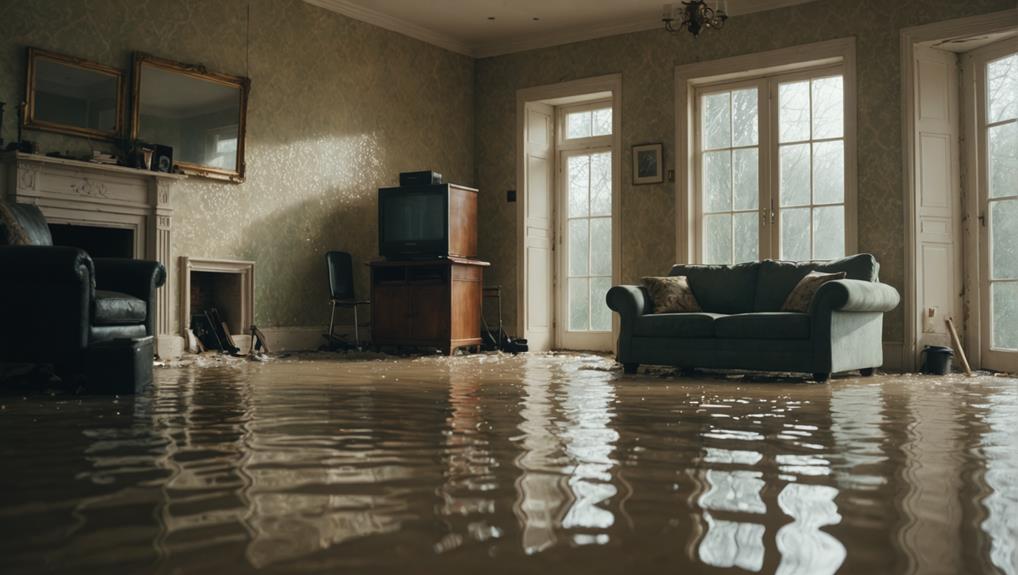
Marietta's humid subtropical climate (Koppen classification Cfa) creates environmental conditions that accelerate mold colonization on water-damaged building materials. Average relative humidity in Cobb County ranges from 65% to 80% during summer months, with overnight lows frequently maintaining saturation levels that promote spore germination. When water damage introduces additional moisture into a structure already situated in this high-humidity environment, mold growth can initiate on organic materials within 24-48 hours — significantly faster than in drier climates.
Our mold prevention protocol begins simultaneously with water extraction rather than waiting for the drying phase to complete. Technicians apply EPA-registered antimicrobial solutions to all water-contacted surfaces during the extraction process, creating a chemical barrier that inhibits spore germination during the critical first 72 hours. We target specific materials known to support rapid mold growth in Georgia's climate: paper-faced drywall, untreated wood framing, cardboard backing on insulation, ceiling tiles, and organic carpet backing materials.
Environmental controls complement chemical treatments throughout the drying period. Our dehumidifiers maintain ambient relative humidity below 50% within the contained work area — well below the 60% threshold required for mold growth. Air movers promote continuous air circulation that prevents stagnant moisture pockets from forming behind furniture, inside closets, and in building cavities where limited airflow would otherwise create ideal colonization conditions.
When existing mold growth is discovered during water damage assessment — a common finding in Marietta properties where slow leaks preceded the acute water event — our remediation protocol follows the IICRC S520 Standard and Reference Guide for Professional Mold Remediation. The S520 standard establishes procedures for containment, removal, and verification that protect both building occupants and remediation workers from mold exposure during the restoration process.
Containment involves constructing physical barriers using 6-mil polyethylene sheeting sealed to walls, floors, and ceilings with tape to isolate the affected area from the rest of the structure. We install HEPA-filtered negative air machines that maintain lower air pressure within the containment zone, ensuring that any airborne spores flow into the contained area rather than migrating to clean spaces. Workers enter and exit through decontamination chambers that prevent cross-contamination. Air scrubbers running HEPA filtration capture airborne particulates down to 0.3 microns — small enough to trap mold spores that typically range from 1 to 30 microns in diameter.
Our technicians apply antimicrobial treatments using electrostatic spraying systems that charge solution particles to adhere uniformly to all surfaces, including vertical walls, horizontal ceilings, and complex geometric shapes common in Marietta home construction. The electrostatic charge causes particles to wrap around surfaces rather than simply landing on top, ensuring complete coverage in areas conventional sprayers cannot reach. We use EPA-registered quaternary ammonium and hydrogen peroxide-based antimicrobials that maintain residual protection throughout the 3-5 day drying period.
Treatment timing follows a specific protocol: initial application occurs immediately after extraction on all contacted surfaces, a second application follows after 24 hours on materials that remain above target moisture content, and a final preventive application precedes equipment removal at project completion. This three-stage approach provides continuous antimicrobial protection during the entire period when building materials remain vulnerable to mold colonization. For Marietta properties where the restoration process extends beyond five days due to extensive damage, we add intermediate treatments at 48-hour intervals to maintain protection.
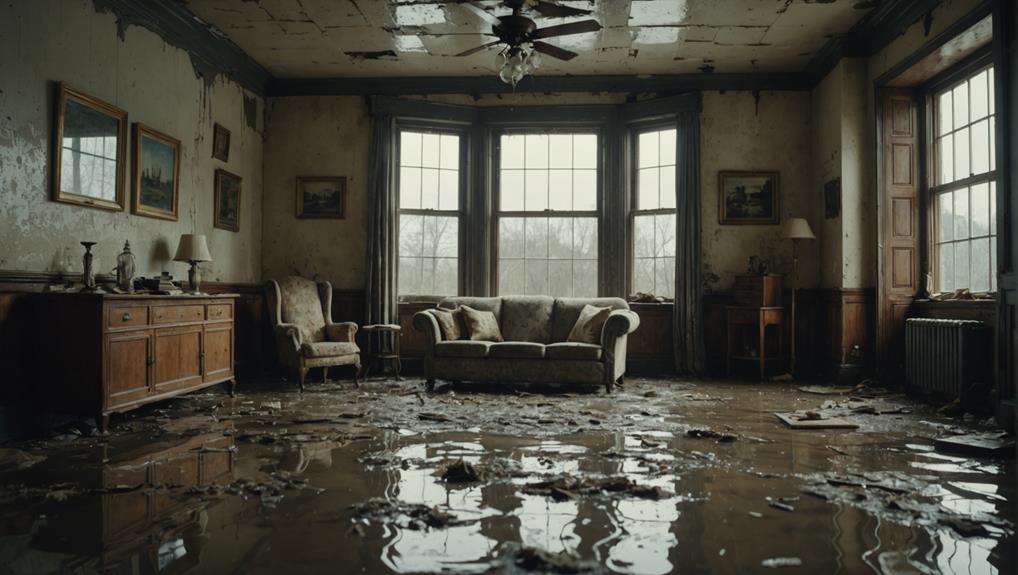
The restoration phase begins once moisture monitoring confirms that all structural materials have reached dry standard — moisture equilibrium with unaffected materials in the same structure. This verification step, documented through final Tramex readings and FLIR thermal imaging scans, ensures that new building materials installed during reconstruction will not absorb residual moisture from substrates beneath them. Installing drywall over wet framing, for example, traps moisture that inevitably leads to mold growth within the wall cavity — a costly mistake that proper verification prevents.
Our reconstruction crews handle every aspect of property restoration from framing and drywall to finish carpentry and painting. For Marietta properties, we match existing materials, textures, and finishes so that restored areas blend seamlessly with unaffected spaces. This includes matching existing drywall texture patterns (orange peel, knockdown, smooth), sourcing flooring materials that align with current installations, and color-matching paint using spectrophotometer technology rather than relying on visual approximation alone.
Structural repair scope depends entirely on the water damage category, contact duration, and material type affected. Category 1 water events with rapid extraction often allow drywall, subflooring, and framing to be dried in place and retained. Category 2 events typically require removal of drywall up to a minimum of 12 inches above the visible water line, removal of all contacted carpet pad, and evaluation of subflooring materials for structural integrity. Category 3 events demand removal of all contacted porous materials including drywall, insulation, carpet, pad, and particleboard or OSB subflooring.
Framing repairs address structural members compromised by prolonged water exposure. Softwood framing — the standard in Marietta residential construction — can absorb water until its moisture content exceeds 30%, the fiber saturation point. Wood maintained above this level for extended periods begins to lose structural strength through decay. Our structural assessment identifies affected framing members, and we sister or replace compromised studs, joists, and plates to restore load-bearing capacity. For homes evaluating restoration costs, structural repairs represent a significant but necessary investment in long-term building integrity.
Content cleaning and pack-out services protect personal belongings, furniture, electronics, and valuables during the restoration process. When water damage affects rooms containing significant personal property, our crews inventory, photograph, and carefully pack items into labeled containers for transport to our climate-controlled cleaning facility. This pack-out process serves dual purposes: protecting contents from further damage during restoration activities and providing the clear workspace our drying and reconstruction crews need to work efficiently.
At our cleaning facility, technicians assess each item individually and apply the appropriate cleaning method. Upholstered furniture may receive hot water extraction, dry cleaning, or foam cleaning depending on fabric type and contamination level. Electronics undergo evaluation by qualified technicians who determine whether the item can be safely restored or requires replacement documentation for insurance purposes. Documents, photographs, and paper-based items receive freeze-drying treatment that halts deterioration while preserving content. We return cleaned and restored items to your Marietta property once reconstruction completes, placing each item according to the inventory photographs taken during the original pack-out.
Our 24/7 emergency dispatch center coordinates rapid deployment of restoration crews to every neighborhood and zip code within Marietta, Georgia. Pre-positioned equipment and strategically located response teams enable us to achieve 60-minute arrival times throughout the Marietta service area, including East Cobb's residential subdivisions, the commercial districts surrounding Marietta Square, and developing areas along the Powers Ferry and Johnson Ferry Road corridors.
Emergency response capability requires more than simply answering phones at all hours. Our trucks remain loaded with extraction equipment, commercial dehumidifiers, air movers, antimicrobial solutions, containment materials, PPE, and moisture detection instruments at all times. When your call comes in — whether at 2 PM on a Tuesday or 3 AM on a holiday weekend — our dispatcher identifies the closest available crew, confirms equipment readiness, and routes the team to your property immediately. There is no waiting for a callback, no scheduling for the next business day, and no delay while crews gather supplies.
Understanding whether to attempt DIY cleanup or call a professional can save critical hours. For any water event involving more than a single room, contaminated water, or unknown water source, professional extraction provides the fastest path to preventing secondary damage. Our emergency teams have responded to thousands of water damage events across Marietta and surrounding Cobb County communities, and that experience translates into faster assessment, more efficient extraction, and better outcomes for your property.
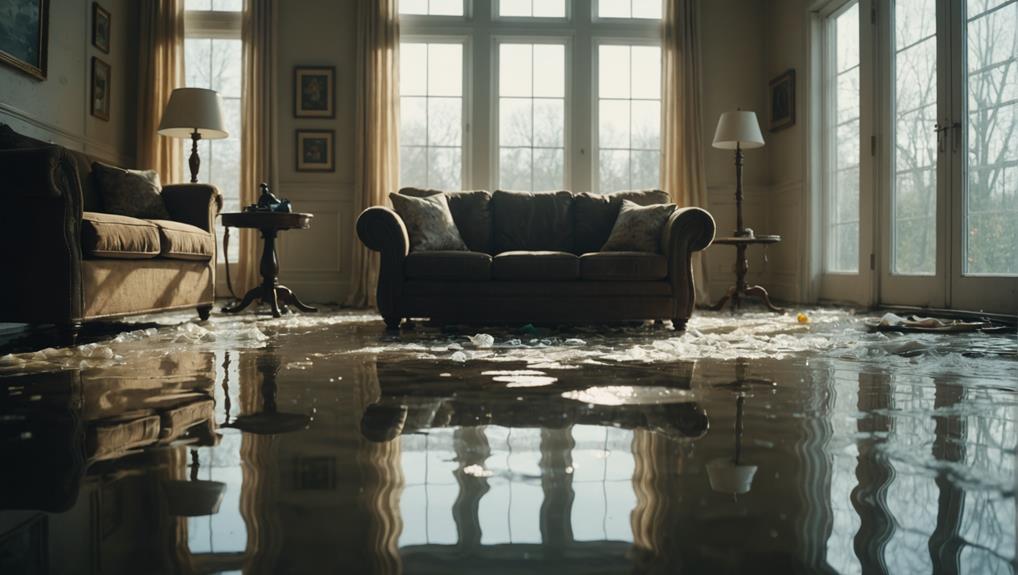
Our IICRC-certified technicians handle all three ANSI/IICRC S500 water damage categories. Category 1 involves clean water from broken supply lines or appliance overflows. Category 2 gray water from dishwashers, washing machines, or toilet overflows with urine requires antimicrobial treatment. Category 3 black water from sewage backups, flooding from rivers, or standing water that has become grossly contaminated demands full PPE, containment barriers, and EPA-approved biocide application. Each category follows distinct protocols for extraction, decontamination, and drying.
We deploy Dri-Eaz LGR 2800i commercial dehumidifiers that remove up to 130 pints of moisture per day and Sahara Pro X3 air movers rated at 3,000 CFM. Our technicians use psychrometric calculations to determine the exact number of dehumidifiers and air movers needed based on your property's cubic footage, ambient temperature, and relative humidity. We monitor progress using Tramex Moisture Encounter Plus meters and FLIR E8 thermal imaging cameras to verify complete moisture elimination behind walls and under flooring.
Our emergency response teams arrive within 60 minutes to any Marietta location including zip codes 30060, 30061, 30062, 30063, 30064, 30066, 30067, and 30068. We maintain 24/7 dispatch capability with pre-loaded trucks carrying extraction equipment, commercial dehumidifiers, air movers, moisture meters, and thermal imaging cameras. Immediate response is critical because mold colonization can begin within 24-48 hours in Marietta's humid subtropical climate, particularly during summer months when relative humidity exceeds 70%.
Marietta's humid subtropical climate (Koppen classification Cfa) creates conditions where mold spores germinate rapidly on wet building materials. Ambient humidity frequently exceeds 70% during summer months, meaning any residual moisture in walls, flooring, or ceiling cavities provides an ideal growth environment. Our IICRC S520-compliant mold prevention protocol includes establishing negative air containment, deploying HEPA filtration to capture airborne spores, and applying antimicrobial treatments to all affected surfaces within 24 hours of water extraction.
Most homeowner insurance policies in Marietta cover sudden and accidental water damage such as burst pipes, appliance failures, and storm-related flooding. However, policies typically exclude gradual damage from maintenance neglect, sewer backups (unless you carry separate endorsement), and flood damage (requires separate NFIP or private flood policy). We document all damage with moisture readings, thermal images, and detailed written reports that satisfy insurance adjuster requirements. Our team works directly with your insurance company to streamline the claims process and maximize your covered benefits.
Our IICRC-certified technicians respond within 60 minutes with truck-mounted extraction equipment and commercial drying systems. Every hour of delay increases damage — call now for immediate assessment.
Call Now: (888) 450-085824/7 Emergency Response | All Marietta Zip Codes | IICRC Certified